
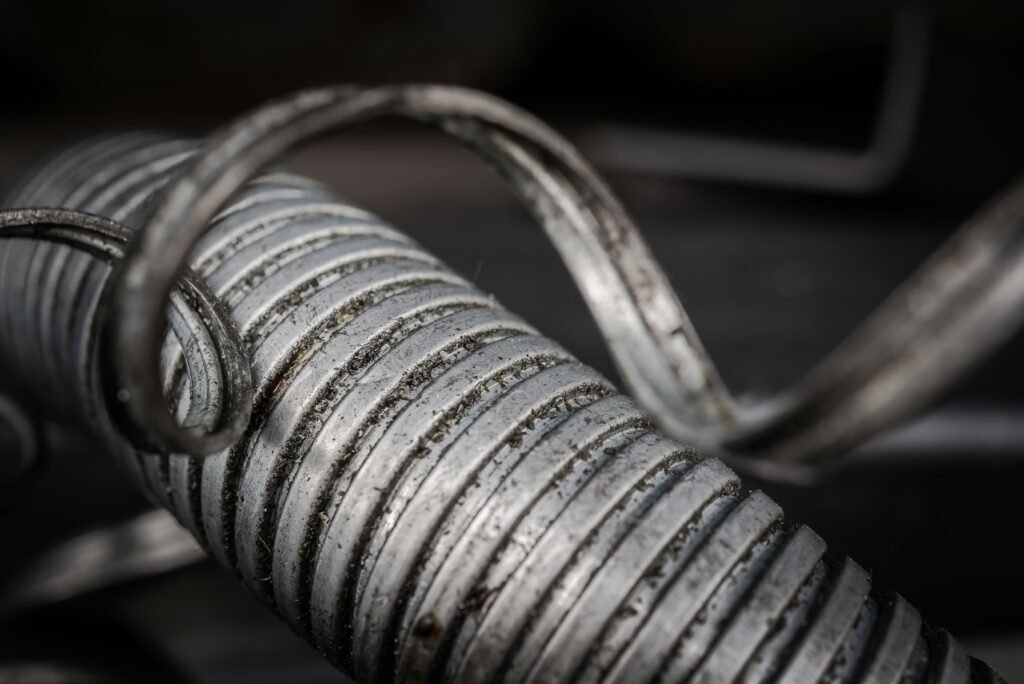
Introduction to 202 Stainless Steel Coil
202 stainless steel is a type of austenitic stainless steel that is known for its notable combination of strength, corrosion resistance, and formability. It was developed as a lower-cost alternative to some of the higher grades of stainless steel, offering similar properties without compromising on quality. The chemical composition of 202 stainless steel typically includes iron, chromium, nickel, and manganese, which contributes to its robust characteristics. The specific ratios of these elements help ensure that 202 steel maintains excellent toughness and durability under varying conditions.
The unique properties of 202 stainless steel make it suitable for a wide array of applications across different industries. Its high tensile strength, along with impressive resistance to oxidation and corrosion, makes 202 stainless steel an ideal choice for architectural and structural purposes. Additionally, it maintains aesthetic appeal, which is why it is often utilized in decorative applications such as appliances and fittings. Furthermore, 202 stainless steel offers ease of fabrication, enabling it to be easily welded and formed into complex shapes, thereby increasing its versatility.
Compared to other stainless steel grades, 202 stainless steel stands out due to its cost-effectiveness, making it a highly sought-after material in manufacturing processes. Industries such as food processing, chemical processing, and automotive production favor 202 steel for its reliable performance and economic advantages. As the demand for high-quality yet affordable materials continues to grow, 202 stainless steel remains a key player. This introductory exploration sets the foundation for understanding its properties in greater detail, as we delve into the specific benefits and usage of this particular grade in the subsequent sections.
Chemical Composition of 202 Stainless Steel
202 stainless steel is an alloy that primarily consists of iron, which is the base metal, and several alloying elements that enhance its properties. The most notable elements in 202 stainless steel are chromium, nickel, and manganese. Typically, 202 steel contains approximately 16-18% chromium, which significantly contributes to its corrosion resistance. Chromium forms a passive layer on the surface of the steel, protecting it from harmful environmental factors.
Nickel is another critical component, present in amounts ranging from 4-6%. Although 202 steel has lower nickel content compared to other austenitic stainless steels, its presence improves toughness and ductility, making the material easier to work with during forming and fabrication processes. Manganese is included as well, usually found in concentrations between 7-9%. This alloying element helps to enhance strength and toughness, also contributing to the development of an austenitic microstructure, which is vital for certain applications where high strength and ductility are required.
Alongside these primary elements, 202 stainless steel may contain small amounts of other elements such as nitrogen, silicon, and carbon. Nitrogen can improve pitting resistance, while silicon aids in deoxidization during manufacturing. The presence of carbon, usually kept at a low level of around 0.15%, provides hardness and strength. It is essential to understand that the precise composition of 202 stainless steel can vary slightly based on the manufacturer and specific grade, but the ratios of these key elements remain relatively consistent. Collectively, the chemical composition of 202 stainless steel ensures its suitability for a wide range of applications, striking a balance between strength, corrosion resistance, and formability.
Properties of 202 Stainless Steel
202 stainless steel is widely recognized for its versatile mechanical and physical properties, which contribute to its usability in a variety of applications. One of the most significant characteristics of this alloy is its tensile strength, which measures the material’s resistance to being pulled apart. The tensile strength of 202 stainless steel typically ranges around 520-720 MPa, making it an excellent choice for structural applications where strength is crucial.
Another key property is the yield strength, which denotes the maximum stress that can be applied without causing permanent deformation. For 202 steel, the yield strength usually falls between 275-380 MPa. This is particularly important in manufacturing components that require a balance of strength and malleability. Such properties contribute to the alloy’s capability to withstand various forces during operations in construction and fabrication.
Ductility is another vital property of 202 stainless steel, indicating its ability to undergo significant plastic deformation before fracture. This quality allows for easier forming and shaping during processing, making it indispensable in production processes that require extensive manipulation of the metal. The good ductility is complemented by the hardness of the material, typically measured using the Rockwell hardness scale, where 202 stainless steel shows values around 80 HRB. This balances hardness with workability, allowing for effective machining while maintaining structural integrity.
Thermal conductivity is yet another beneficial characteristic of 202 steel, with values approximately 25 W/m·K. Although not as high as other grades, this conductivity supports its utilization in applications that experience temperature variations, including kitchenware. Overall, these properties of 202 stainless steel make it a favorable choice in several industries, underscoring its role in manufacturing processes and design considerations.
Manufacturing Process of 202 Stainless Steel Coil
The manufacturing of 202 stainless steel coils involves several critical steps, each contributing to the overall quality and properties of the final product. The process begins with the melting of raw materials in an electric arc furnace or induction furnace. The primary components used in the mixture are iron, chromium, nickel, and manganese, among others. Careful attention is paid to the ratios of these elements, as they greatly influence the mechanical and corrosion-resistant properties of 202 steel.
After melting, the molten stainless steel is poured into molds to form slabs or billets during the casting phase. This step is paramount as it establishes the preliminary structure of the material. Advanced continuous casting techniques are frequently utilized, allowing for improved quality and uniformity while significantly minimizing waste.
Once the steel has solidified, the next stage involves hot rolling, where slabs are reheated and passed through rolling mills to reduce thickness and improve the mechanical properties. Hot rolling not only enhances the flexibility of 202 stainless steel but also aligns the internal microstructure, which is vital for enhancing strength. Subsequently, the cooled steel may undergo cold rolling, ensuring tighter tolerances and superior surface finishes.
The final stage is the finishing process, which includes annealing and pickling. Annealing involves heating the steel coils to a specific temperature before gradually cooling, allowing for stress relief and improved ductility. Pickling, on the other hand, removes any surface imperfections or oxides, thereby enhancing corrosion resistance. Throughout these steps, strict quality control measures are implemented to ensure the final 202 stainless steel coils meet industry standards and specifications. This meticulous production process allows manufacturers to produce high-quality 202 stainless steel products that are ready for a multitude of applications, from architectural components to automotive parts.
Applications of 202 Stainless Steel Coil
202 stainless steel coil is recognized for its versatility and multifaceted applications across various sectors. This material primarily finds usage in industries that demand a combination of good mechanical properties and resistance to oxidation and corrosion. One of the most notable applications is in the construction industry, where 202 steel serves as an ideal choice for structural components and fittings. Its strength and durability make it suitable for both residential and commercial buildings, where it is often used in beams, columns, and roofing materials.
In the automotive sector, 202 stainless steel coil is utilized for manufacturing various parts, including exhaust systems, trim, and decorative elements. The inherent strength and lightweight nature of this steel make it suitable for producing components that require both performance and aesthetic appeal, thus enhancing the overall efficiency of vehicles while minimizing weight. Additionally, the automotive industry benefits from the corrosion resistance of 202 stainless steel, which prolongs the life of automotive parts even under challenging conditions.
Another significant application of 202 stainless steel coils is in kitchen appliances and utensils. Its resistance to stain and rust, coupled with its appealing finish, makes it a preferred choice for fabricating products like sinks, cookware, and various kitchen tools. Manufacturers often prefer 202 steel for its cost-effectiveness while maintaining high quality in appearance and performance.
Furthermore, 202 stainless steel is also widely used in decorative applications. The material’s ability to be polished to a high sheen allows it to be incorporated into aesthetic designs, such as railings, furniture, and art installations. This adaptability to both functional and decorative roles showcases the extensive utility of 202 stainless steel coils in modern applications across multiple industries.
Advantages of Using 202 Stainless Steel Coil
202 stainless steel coils have emerged as a popular choice in various industries due to their numerous advantages. One of the primary benefits of this versatile material is its cost-effectiveness. Compared to other stainless steel grades, 202 stainless steel generally offers a more budget-friendly option while still maintaining a good balance of performance and durability. This makes it particularly appealing for manufacturers and builders looking to optimize their costs without sacrificing quality.
In addition to its cost advantages, 202 stainless steel is noted for its impressive durability. This form of steel is known for its resistance to corrosion and oxidation, which makes it suitable for use in diverse environments, including those that may be exposed to moisture or chemicals. Its ability to withstand wear and tear without compromising structural integrity means that products made from 202 steel typically have a longer service life, leading to lower maintenance costs over time. This durability factor is crucial in industries such as construction, where material performance is paramount.
The aesthetic appeal of 202 stainless steel coils also adds to their attractiveness for various applications. The material boasts a bright, attractive finish that can enhance the overall look of products. This characteristic makes 202 stainless steel particularly well-suited for decorative purposes, in addition to functional ones. Its smooth surface can be easily polished, allowing for a clean and sophisticated appearance that is desirable in consumer products as well as architectural elements.
Given these advantages—cost-effectiveness, durability, and aesthetic appeal—202 stainless steel coils have become the preferred choice for a wide array of applications, positioning themselves as a reliable option for anyone seeking a balance between performance and value.
Comparison with Other Stainless Steel Grades
When evaluating the different stainless steel grades, 202 stainless steel stands out due to its unique combination of properties, making it a viable alternative to more commonly known grades, such as 304 and 316. In terms of cost, 202 steel is generally more affordable compared to 304 and 316 grades. This cost-effectiveness is primarily due to its lower nickel content, which reduces manufacturing expenses while still delivering acceptable performance in many applications.
Corrosion resistance is a critical factor to consider when comparing these grades. While 304 stainless steel offers excellent corrosion resistance in most environments, 202 stainless steel is suitable for less severe conditions, making it ideal for applications in indoor settings or environments with mild exposure to corrosive elements. However, 316 stainless steel, with its addition of molybdenum, provides superior corrosion resistance, particularly in saline or acidic environments. Hence, for applications requiring long-term exposure to aggressive environments, 316 remains the preferred choice.
In terms of strength, 202 stainless steel demonstrates notable mechanical properties, which makes it suitable for structural applications. It has a high tensile strength, comparable to that of 304 stainless steel, which allows it to perform effectively in numerous demanding environments. However, when comparing against 316 stainless steel, while 202 steel holds its ground, 316 typically exhibits higher performance due to its enhanced alloying elements. Ultimately, the choice between these stainless steel grades depends on the specific requirements of the application, such as budget constraints, environment, and required strength levels. By understanding the differences and similarities among these grades, manufacturers and engineers can make informed decisions suitable for their specific needs.
Care and Maintenance of 202 Stainless Steel
Maintaining the appearance and integrity of products made from 202 stainless steel is crucial for ensuring their longevity and functional performance. While 202 stainless steel exhibits good corrosion resistance, proper care is essential in preventing potential damage and preserving its aesthetic qualities.
To begin with, regular cleaning is recommended to remove dirt, dust, and other contaminants that may accumulate on the surface. For routine maintenance, a simple solution of warm water and mild soap is often sufficient. Utilize a soft cloth or non-abrasive sponge to wipe down the surfaces, ensuring that you avoid steel wool or scouring pads that could scratch the material. After cleaning, it is important to thoroughly rinse the surface with clean water to remove any soap residue, followed by drying with a soft towel to prevent water spots.
In addition to regular cleaning, it is advised to avoid exposing 202 stainless steel to harsh chemicals. Substances like bleach or strong acids can cause discoloration or pitting, adversely affecting the steel’s finish. Instead, opt for products specifically formulated for stainless steel when dealing with tougher grime or stains. Always test any cleaner on a small, inconspicuous area before applying it to the entire surface.
Another key aspect of care involves proper storage and usage. Avoid placing 202 stainless steel in environments where it may come into contact with chloride solutions or high-salt areas, which can accelerate corrosion. Furthermore, ensure that any items made from 202 steel are not subjected to physical impacts that could dent or scratch their surfaces. By adhering to these maintenance guidelines, you can effectively extend the lifespan of your 202 stainless steel products while keeping them looking their best.
Future Trends in Stainless Steel Manufacturing
The stainless steel manufacturing industry is evolving rapidly, driven by technological advancements, sustainability goals, and changing market demands. One significant trend impacting the production of 202 stainless steel is the emphasis on sustainability. Manufacturers are increasingly adopting eco-friendly practices to reduce their carbon footprint, conserve energy, and lessen resource depletion. This trend is particularly evident in the use of recycled materials in the production of 202 steel, leading to a more circular economy and reducing reliance on virgin raw materials.
Technological innovations are also reshaping the stainless steel manufacturing landscape. Techniques such as additive manufacturing, or 3D printing, are beginning to play a crucial role in producing intricate shapes and structures from 202 stainless steel. This advancement not only minimizes waste but also offers greater design flexibility, enabling manufacturers to meet specific needs across various industries. Additionally, automation and digitalization are increasingly integrated into production processes, resulting in enhanced efficiency, accuracy, and overall product quality.
Market demands for high-performance and specialized products continue to rise, pushing the boundaries of stainless steel applications. The construction, automotive, and aerospace industries are progressively favoring the use of 202 stainless steel due to its excellent corrosion resistance and mechanical properties. As industries strive for lighter and stronger materials, 202 steel is emerging as a highly suitable alternative, allowing for innovative design and improved performance in numerous applications.
The combination of sustainable practices, innovative technologies, and responsive market dynamics indicates a promising future for the 202 stainless steel coil sector. Stakeholders in the industry must remain proactive and adaptable to these trends to harness the full potential of 202 stainless steel while addressing the challenges that may arise in this evolving landscape.